Products
‹
›
‹
›
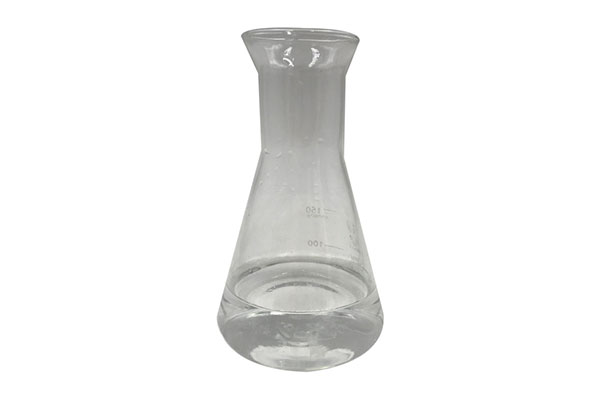
Hydrochloric Acid 7647-01-0
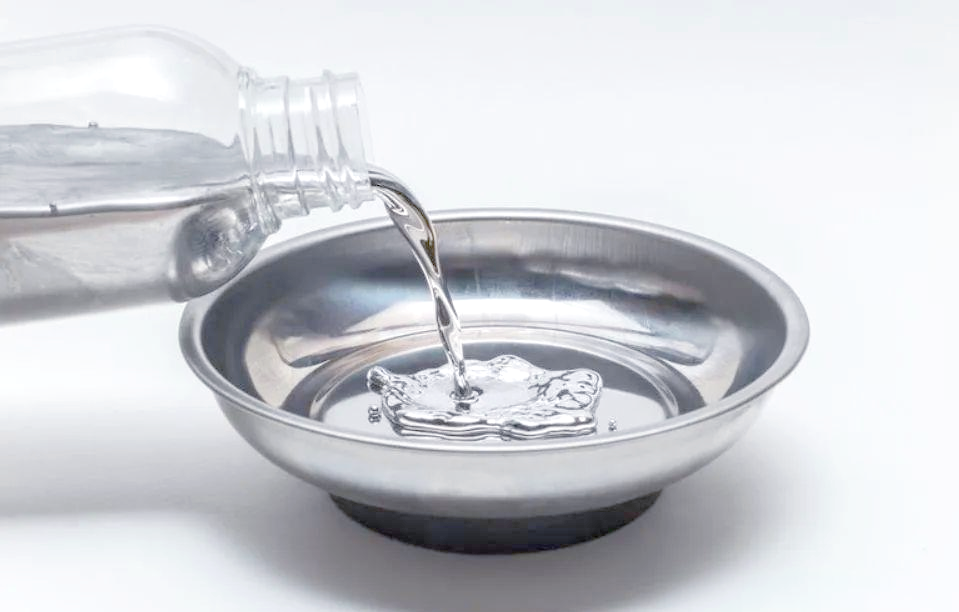
The compound hydrogen chloride has the chemical formula HCl. At room temperature, it is a colorless gas, which forms white fumes of hydrochloric acid upon contact with atmospheric humidity. Hydrogen chloride gas and hydrochloric acid are important in technology and industry. Hydrochloric acid, the aqueous solution of hydrogen chloride, is also commonly given the formula HCl.
Classification
Food Additives
- Product Parameters -
Chemical Name:Hydrochloric Acid
CAS No.:7647-01-0
Product Categories:Inorganic Chemistry
Molecular Formula:ClH
Formula Weight:36.46
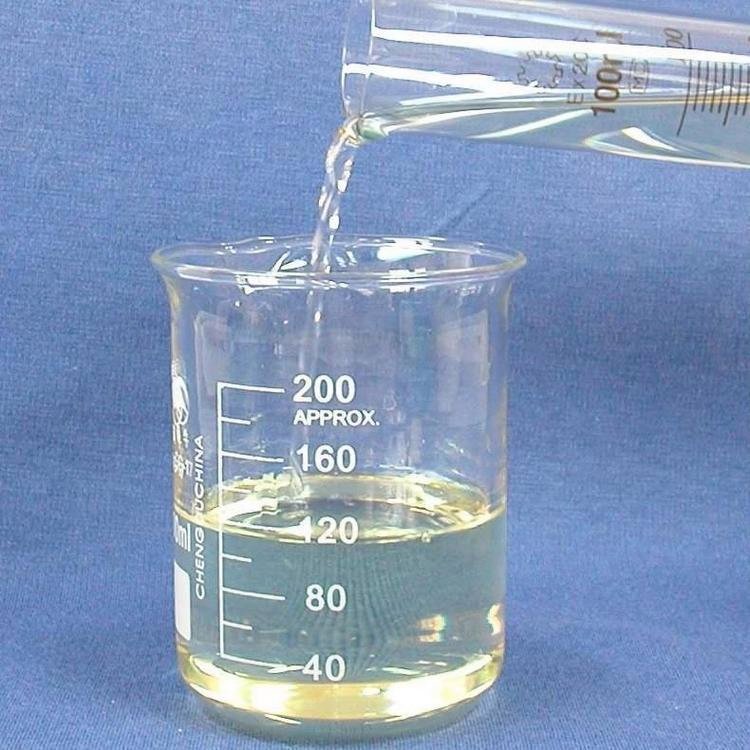
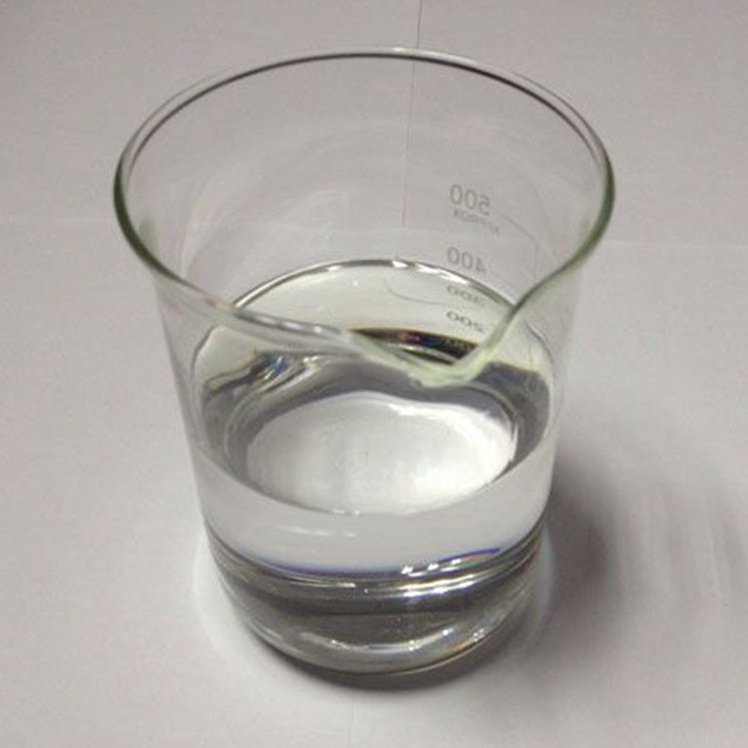
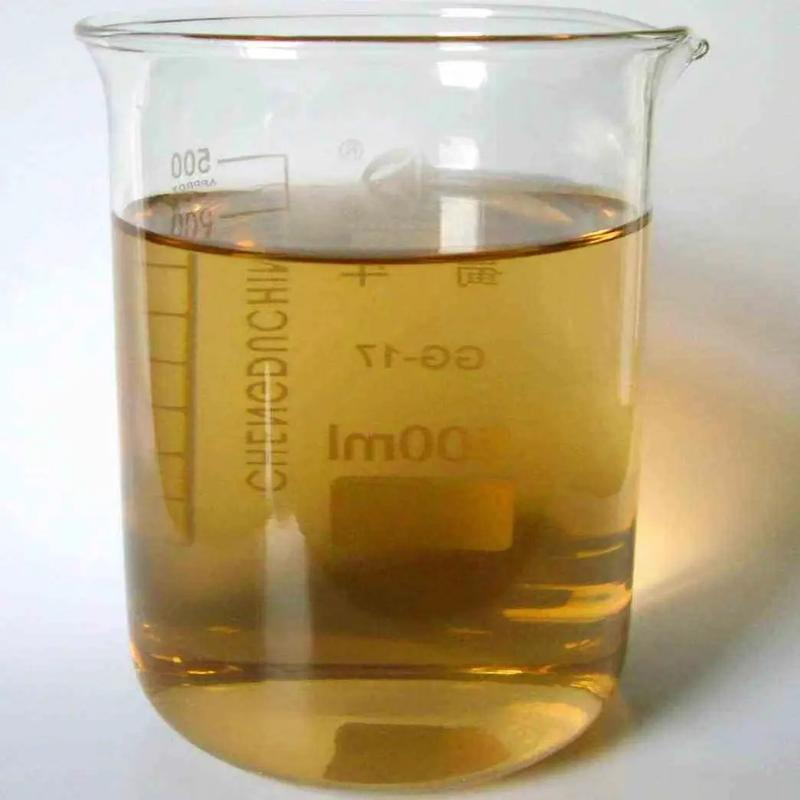
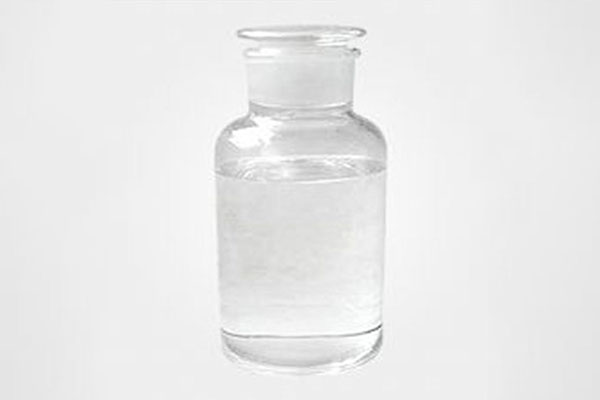
Appearance:Colourless Liquid
Packaging Method:200kg/Drum
Type Of Transportation:By Air/By Sea/By Train/By Express
Sample:Available
Chemical Properties Of Hydrochloric Acid 7647-01-0
Safety Information Of Hydrochloric Acid 7647-01-0
Product Application Of Hydrochloric Acid 7647-01-0
- Hydrochloric acid is one of the most important industrial chemicals and has numerous applications. Both anhydrous hydrogen chloride and aqueous acid are used to produce a large number of chloride salts.
- The acid also is a common laboratory reagent. Some major applications of hydrochloric acid include processing of ores and extraction of metals from their minerals; in metal cleaning, particularly in steel pickling to dissolve oxide impurities; production of alumina, titanium dioxide, and other metal oxides by various hydrometallurgical processes; production of hydrogen; synthesis of chlorine dioxide; removal of heavy metal impurities from carbon black; activation of bentonite clays; etching of concrete surfaces for finishing operations; and as a catalyst in several organic reactions such as inversion of sugar, hydrolysis of starch to obtain sugar syrup, and esterification of aromatic acids.
- Anhydrous hydrogen chloride gas is used to produce phosphonium chloride, PH4Cl, which is a flame retardant for cotton textiles. Other major applications include manufacture of a number of high purity metal chlorides, ammonium chloride, chlorosulfuric acid; recovery of waste metals; preparation of alkyl chlorides and chloroacetic acids; and as a chlorinating agent in organic syntheses.
- Rubber hydrochloride, which results from the treatment of natural rubber with hydrogen chloride, can be cast in film from solutions. Such rubber hydrochloride films provide a strong, water resistant packaging material for meats and other foods, paper products, and textiles.
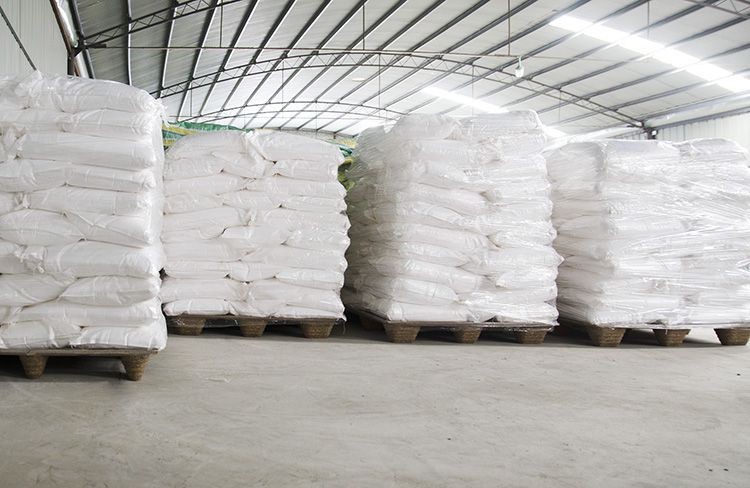
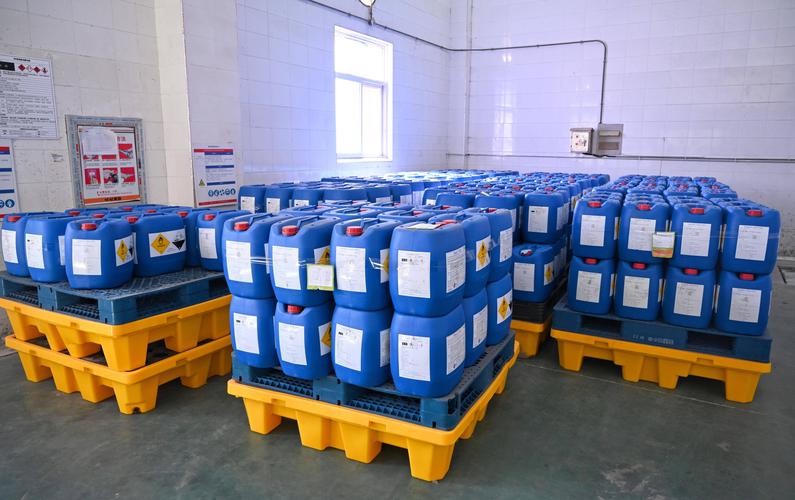
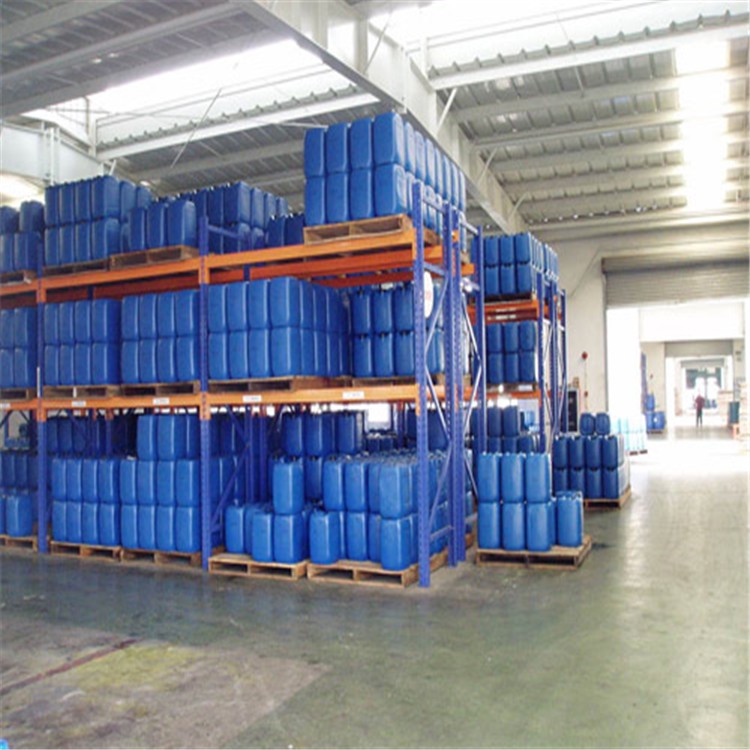
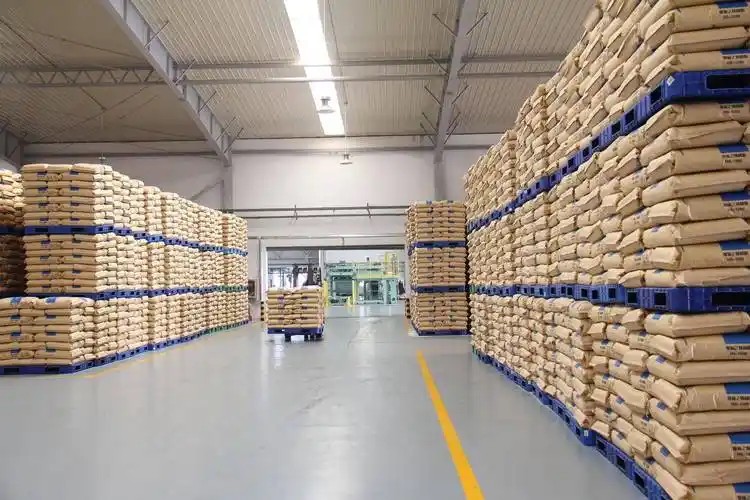
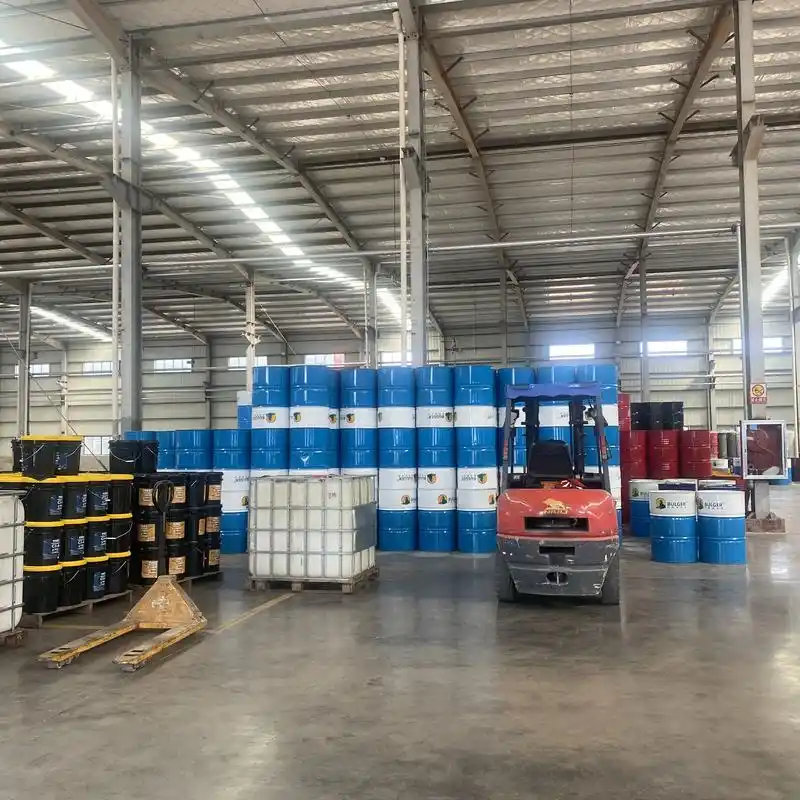
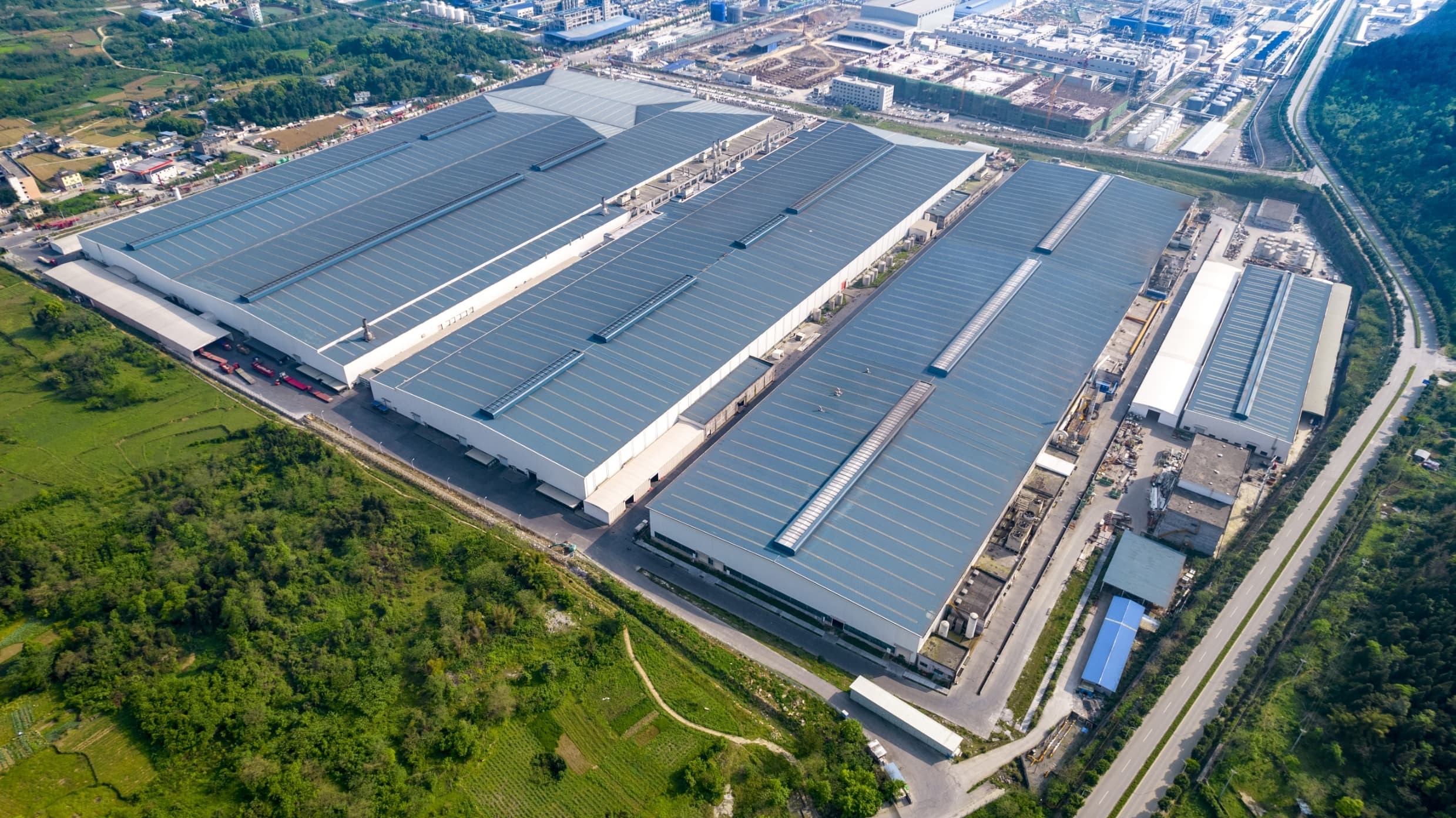
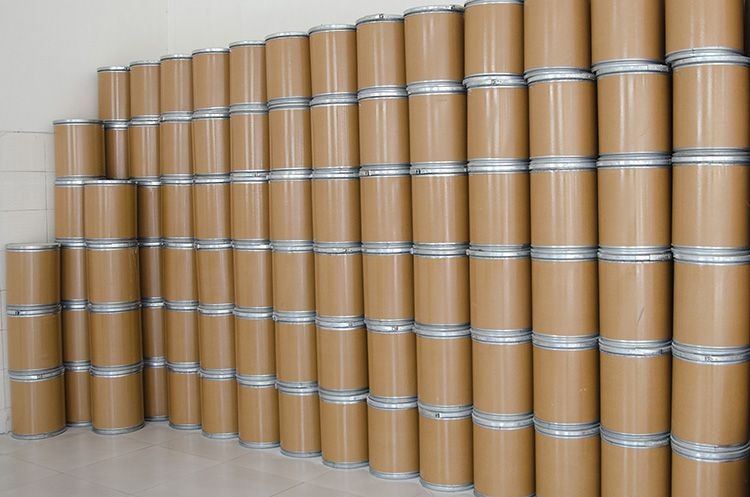
- Factory Display -
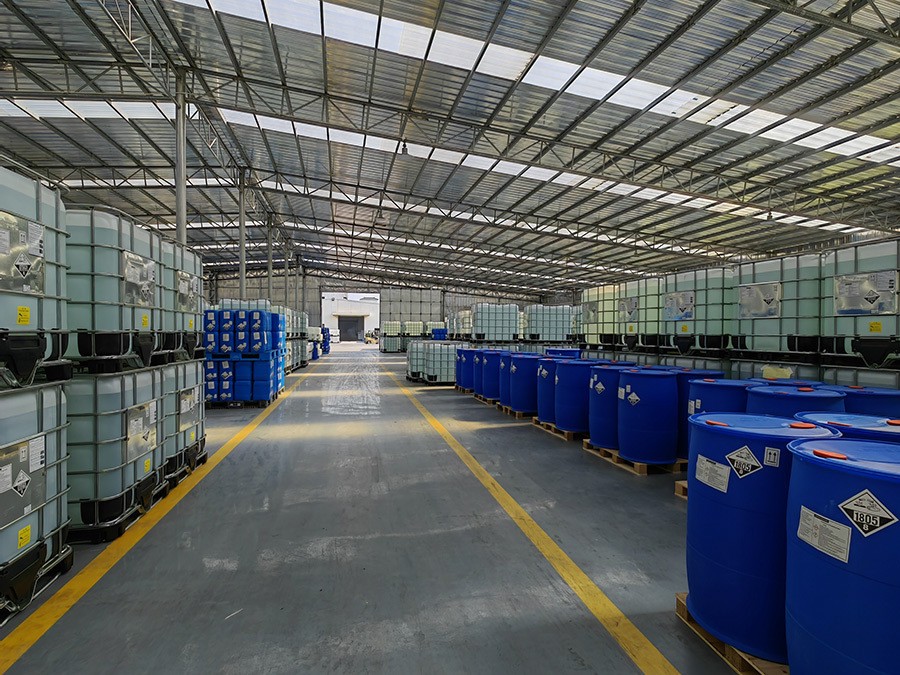
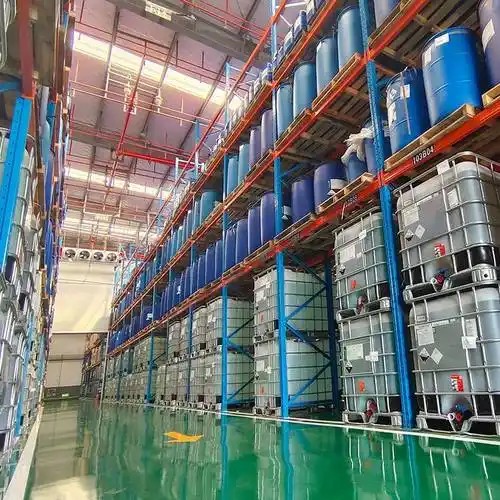
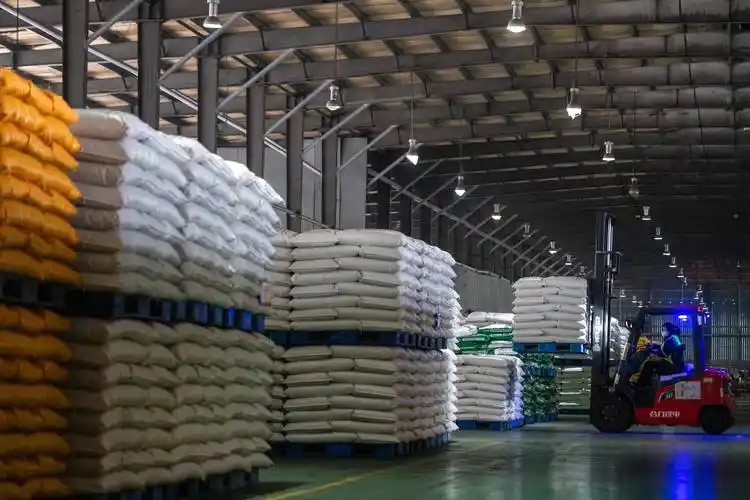
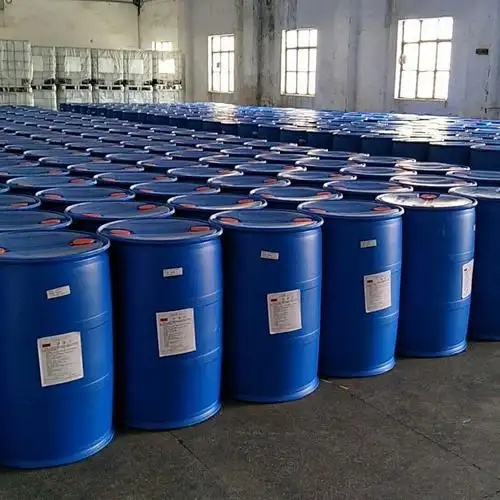

- Please Contact Us -
- Product Recommendation -
 Amino acid water soluble fertilizerMore +
 Calcium Ammonium NitrateMore +
 Trace ElementsMore +
 Soil ConditionerMore +
 Water Soluble FertilizerMore +
 Potassium SulfateMore +
 Fulvic Acid/Humic AcidMore +
 NpkMore +
 Nitrogen FertilizerMore +
 MopMore +
 Humic AcidMore +
 Monopotassium PhosphateMore +
") Monoammoniun Phosphate(MAP)More +
Monoammoniun Phosphate(MAP)More + Ammonium SulfateMore +
 DAP Diammonium PhosphateMore +
 SuperphosphateMore +
 Mercury CAS 7439-97-6More +
 Triethylene glycol CAS. 112-27-6More +
 GlycerolMore +
") Glucomannan(Konjac Glucomannan )More +
Glucomannan(Konjac Glucomannan )More + Amino Acid Organic Granular FertilizerMore +
 Calcium CarbonateMore +
 Magnesium Sulfate HeptahydrateMore +
 Potassium ChlorideMore +
 Sodium SulfateMore +
 Ammonium SulfateMore +
 Sodium BicarbonateMore +
 Polycarboxylate-based High-Range Water ReducersPCE-25133-97-5More +
 Imidazole 288-32-4More +
 4-Chlorobenzotrifluoride 98-56-6More +
 Sodium 2,3-dihydroxynaphthalene-6-sulfonate 135-53-5More +